Artificial intelligence is flooding every aspect of people’s lives, and it has made its way into the realm of QR codes. An AI QR code generator transforms a standard QR code into eye-catching artwork using generative AI, all while keeping it scannable.
Still, if you’re thinking of using AI tech to create your next QR code, here is what you need to know. We will cover advantages and disadvantages, and tell you why custom QR codes might be the best option.
Table of Contents
- What Is an AI QR Code Generator?
- How AI-Generated QR Codes Work
- AI-Generated QR Codes vs Traditional Custom QR Code Generators
- Disadvantages and Risks of AI QR Code Generators
- When to Use Static, Dynamic, or AI QR Codes
- How to Design Effective AI QR Codes
- Why Choose a Custom QR Code Generator Over an AI QR Code Generator
- Wrap-Up
What Is an AI QR Code Generator?
An AI QR code generator is a platform that uses artificial intelligence algorithms—specifically, advanced generative AI models—to create artistic QR codes. Instead of the default black-and-white grid, AI tools replace traditional pixels with stylized imagery while maintaining essential anchors for scanning, like finder patterns and timing strips.
The idea is simple: You enter a URL or link, describe a style through a prompt—for example, “watercolor garden, soft pastels”—and the service returns a scannable code wrapped in that visual. Since around 2023, several AI-first platforms have emerged for this purpose, while older QR code generator tools started bolting on AI styling as an optional feature.
Over 300,000 creators now use Quick QR Art for QR code generation, producing 426,000 codes monthly and generating 1 million connections every month.
How AI-Generated QR Codes Work
The process typically involves five stages:
1. Data Encoding
The content to be encoded—such as a website URL, vCard, or Wi-Fi password—is converted into a standard QR code matrix. Built-in error correction ensures the code remains readable even if part of it is obscured or damaged.
2. Structure Preservation
The system identifies critical QR code elements that must remain intact, including position markers, alignment patterns, and quiet zones. These protected areas ensure the final code remains scannable.
3. AI Artwork Generation
An AI image model generates artwork around the protected QR code structure, blending visual elements, branding, or artistic designs with the code pattern.
4. Design Refinement
After the initial image is created, the design is refined by restoring contrast, adjusting key modules, and optimizing visual elements to improve readability without sacrificing aesthetics.
5. Scanability Validation
The finished design undergoes automated scanning tests to verify that it can still be read reliably. Advanced approaches such as DiffQRCoder use iterative refinement and validation to achieve scan success rates exceeding 95%.
AI-Generated QR Codes vs Traditional Custom QR Code Generators
AI QR code generators offer more than just a creative way to redesign a familiar technology. By combining QR functionality with AI-powered image generation, they can help brands attract attention, increase engagement, and create more memorable customer experiences.
For marketers, designers, and businesses looking to stand out in increasingly crowded digital and physical environments, AI-generated QR codes can provide both aesthetic and performance advantages.
Higher Engagement
Custom artwork and branded graphics make QR codes more visually appealing, helping them stand out in marketing materials and encouraging more people to scan them. Rather than blending into the background, visually distinctive codes attract attention and create curiosity.
This can be particularly valuable in crowded environments such as retail displays, event signage, product packaging, or print advertising.
Better Design Insights
AI can analyze layouts, visual elements, and scan performance to suggest designs that are more likely to attract attention and drive engagement. Over time, this data can reveal which colors, styles, and compositions resonate most with different audiences. These insights help marketers make more informed design decisions instead of relying solely on trial and error.
Increased Scan Rates
Compared to generic black-and-white QR codes, customized AI-generated designs can increase scan rates by up to 25%, providing a measurable boost in audience engagement.
Stronger engagement means more visitors reach the intended destination, whether that is a website, promotional offer, event registration page, or product information portal. Even modest improvements in scan rates can significantly impact campaign performance at scale.
Greater Social Sharing
Artistic QR codes can function as visual content in their own right. Users are more likely to photograph and share creative designs, extending campaign reach beyond the original placement.
This organic sharing can amplify brand visibility and generate additional impressions without increasing advertising spend. In some cases, the QR code itself becomes part of the marketing experience rather than simply a utility.
Faster Experimentation
AI makes it possible to generate and test dozens of design concepts in minutes. Marketers can quickly identify the most effective version and direct audiences to landing pages, surveys, event registrations, or other digital experiences.
Faster experimentation shortens campaign development cycles and enables teams to respond more quickly to audience feedback. This flexibility makes it easier to optimize performance while reducing the time and cost associated with traditional design processes.
Disadvantages and Risks of AI QR Code Generators
AI QR codes can deliver stronger branding and engagement than traditional QR codes, but they also introduce new technical and operational considerations. Because functionality must be preserved while incorporating custom artwork, organizations need to balance creativity with reliability.
Understanding the potential drawbacks—from scanability and cost to governance and usability—can help ensure that AI-generated QR codes enhance the user experience without compromising performance.
Reduced Scan Reliability
Scanability is the biggest risk when creating AI-generated QR codes. If the design becomes too complex, scanners may struggle to recognize the code, especially when it is printed in small sizes or viewed on older smartphones. Environmental factors such as poor lighting, glossy surfaces, or low-contrast colors can further reduce scanning performance.
More Iteration Required
Unlike traditional QR code generators that produce a usable code instantly, AI-generated designs often require multiple rounds of refinement. Users may need to adjust prompts, colors, layouts, or artistic styles before finding the right balance between visual appeal and functionality. This can increase the time required to move from concept to final design.
Larger File Sizes
High-resolution AI-generated QR codes can result in significantly larger image files than standard QR codes. These files may require additional optimization before being used in websites, mobile applications, digital advertisements, or printed materials. Without proper compression, large files can negatively affect page load times and production workflows.
Higher Costs
Many AI QR code platforms operate on a credit-based or subscription pricing model because image generation requires substantial computing resources.
Costs can increase when teams generate multiple variations, test different designs, or produce high-resolution assets. By comparison, traditional QR code generators often provide basic codes at little or no cost.
Brand and Copyright Concerns
AI-generated artwork can sometimes resemble existing characters, logos, or artistic styles, creating potential intellectual property concerns. Organizations should establish clear brand guidelines and review processes before publishing AI-generated designs.
A final human approval step can help ensure that generated content aligns with brand standards and avoids unintended legal risks.
User Recognition Challenges
A QR code still needs to look like a QR code. If the artistic elements overwhelm the underlying structure, users may not immediately recognize it as something they can scan. Maintaining visible positioning markers and a recognizable QR code appearance helps ensure that users understand its purpose and interact with it as intended.
When to Use Static, Dynamic, or AI QR Codes
Before choosing a QR code type, it is important to understand that not all QR codes serve the same purpose. Some are designed for permanent, unchanging information, while others provide the flexibility to update content and track engagement over time.
AI-generated QR codes add another dimension by enhancing visual appeal and brand alignment. The best option depends on factors such as whether the destination may change, the need for analytics, the scale of distribution, and the importance of design within the overall user experience.
Static QR Codes
Static QR codes contain fixed information that cannot be changed after creation. They are well-suited for long-term uses such as Wi-Fi credentials, product manuals, contact information, or permanent website links. Because the destination never changes, they are simple to deploy and typically require no ongoing management.
Dynamic QR Codes
Dynamic QR codes allow the destination URL or content to be updated without changing the code itself. This flexibility makes them ideal for marketing campaigns, event registrations, seasonal promotions, and A/B testing initiatives. Many dynamic QR code platforms also provide analytics, allowing organizations to track scans, locations, devices, and engagement patterns.
AI QR Codes
AI QR codes add a visual design layer to either static or dynamic QR codes. Instead of appearing as a standard black-and-white pattern, they can incorporate brand colors, logos, illustrations, or custom artwork while remaining functional. They are particularly effective when the QR code is a visible part of a product, advertisement, packaging design, or customer experience.
Choosing the Right Option
The right choice depends on your objectives. Static QR codes work best when information is unlikely to change, while dynamic QR codes offer greater flexibility and measurement capabilities.
AI-generated designs are most valuable when appearance and user engagement matter, especially in customer-facing campaigns where a visually distinctive QR code can help attract attention and encourage more scans.
How to Design Effective AI QR Codes
Creating an AI-generated QR code is not just about making it look attractive. The most successful designs balance creativity with functionality, ensuring that the code remains easy to recognize and scan across different devices and environments. Following a few best practices can help maximize both visual impact and reliability.
Prioritize Scanability
The most important rule is to preserve the QR code’s ability to be scanned. Use an error correction level of at least Q (25%) or H (30%), which allows the code to remain functional even when portions of the pattern are obscured by artwork. Higher error correction provides more flexibility for creative designs while maintaining reliability.
Critical QR code elements should also remain clearly visible. Finder patterns, alignment markers, and quiet zones help scanners identify and decode the code. Overdecorating these areas can prevent successful scans, regardless of how attractive the final design appears.
Choose Design Styles Carefully
Not all artistic styles work equally well with QR codes. Simpler visual approaches, such as flat illustrations, geometric patterns, and minimalistic line art, tend to preserve scanability better than highly detailed textures or complex imagery. The goal is to enhance the QR code rather than hide it completely.
When writing prompts for AI image generators, consider how the artwork will interact with the QR code’s grid structure. Designs that naturally complement the geometry of the code generally produce better results than prompts that introduce excessive visual noise.
Optimize Size and Visibility
QR code size should be appropriate for the viewing distance. For posters or signage intended to be scanned from one to two meters away, the code should generally be at least 3–4 cm wide. On smaller formats such as business cards, a width of at least 2 cm combined with strong contrast is typically recommended.
Contrast is equally important. Even the most creative design can fail if the distinction between the code pattern and background becomes too subtle. Ensure there is sufficient visual separation between light and dark areas.
Test Across Devices and Conditions
Before deploying an AI-generated QR code at scale, test it thoroughly. Scan the code using multiple devices, including recent iOS and Android smartphones, as well as third-party scanning applications. Performance can vary between camera systems and scanning software.
Testing should also occur under different lighting conditions and viewing angles. A code that works perfectly on a computer screen may behave differently when printed on glossy packaging, signage, or promotional materials.
Improve the User Experience
A QR code should clearly communicate its purpose. Adding a short call-to-action—such as “Scan for Menu,” “Scan to Register,” or “Scan for More Information”—helps users understand what they will receive in exchange for scanning. This simple addition can significantly increase engagement and scan rates.
Keep a Backup Version
Even with extensive testing, AI-generated QR codes carry some risk. It is a good practice to export and retain a standard high-contrast version of the same code. If the artistic version proves unreliable in a particular environment or printing process, the backup can be deployed immediately without changing the destination content.
Why Choose a Custom QR Code Generator Over an AI QR Code Generator
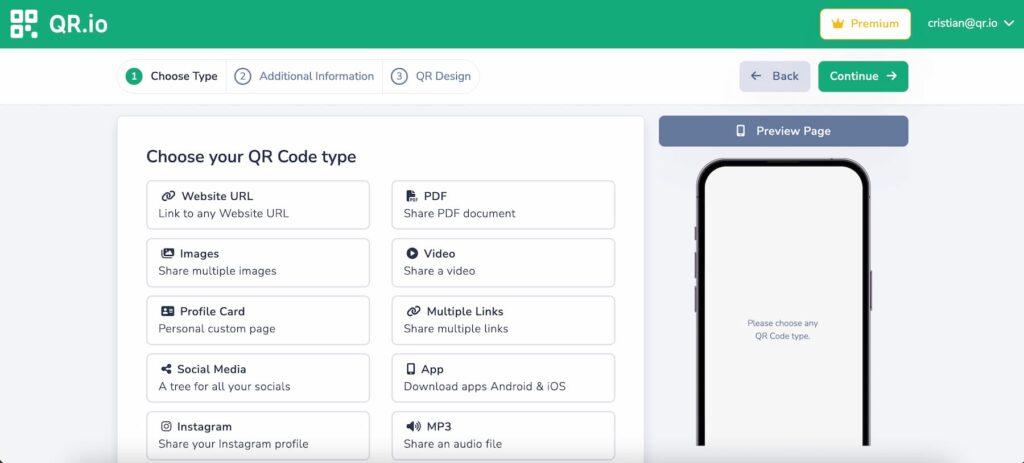
AI QR codes prioritize creativity and visual impact, while custom QR codes focus on branding, usability, and reliability. For most organizations, custom QR code generators offer a better balance of performance, flexibility, and ease of management, making them the preferred choice for everyday business and marketing use.
Greater Scan Reliability
Custom QR code generators preserve the standard QR code structure while allowing organizations to add branding elements such as logos, colors, and frames.
Because the underlying code remains largely unchanged, custom QR codes tend to deliver more consistent scanning performance across devices, lighting conditions, and print formats. AI-generated QR codes, by contrast, introduce artistic modifications that can sometimes reduce readability.
Better Analytics Capabilities
Most custom QR code platforms support dynamic QR codes and built-in analytics, allowing organizations to track scan counts, locations, devices, and user engagement. These insights help marketers measure campaign performance without sacrificing reliability.
While some AI QR code generators offer analytics, they are often built around the visual design rather than robust campaign management features.
Easier Integration and Automation
Custom QR code platforms are generally designed for business use and often include APIs, bulk generation tools, and integrations with marketing and CRM systems. This makes them easier to deploy at scale across products, campaigns, events, and customer communications. AI QR code tools are typically optimized for design generation rather than operational workflows.
More Flexibility for Long-Term Use
Custom QR code generators usually support both static and dynamic QR codes, giving organizations the ability to update destinations, redirect traffic, and manage campaigns without reprinting materials. This flexibility is particularly valuable for businesses that frequently update promotions, landing pages, or customer resources.
Lower Cost and Complexity
Creating a branded custom QR code is generally faster, less expensive, and more predictable than generating an AI-designed version. Most custom QR code platforms require minimal design effort and do not involve the iterative prompt refinement often associated with AI-generated artwork.
For many organizations, the incremental branding benefits of AI QR codes do not justify the additional time and cost.
Stronger Governance and Consistency
Custom QR codes provide greater control over branding, compliance, and user experience. Organizations can ensure that every code follows approved visual standards while maintaining reliable functionality.
This consistency is especially important for enterprises that need to deploy QR codes across multiple products, campaigns, regions, or customer touchpoints. As a result, custom QR code generators often represent the most practical balance between branding, performance, and operational simplicity.
Wrap-Up
For most organizations, custom QR codes are a more practical choice than fully AI-generated QR codes. Custom QR code generators allow businesses to incorporate logos, brand colors, and design elements while preserving the clean structure and high scanability of a traditional QR code. They are typically faster to create, less expensive, easier to manage, and more reliable across different devices and print formats.
AI-generated QR codes can be visually striking and effective for select marketing campaigns, but they often require additional testing, refinement, and quality control to ensure they remain scannable. Unless the goal is to create a highly artistic or attention-grabbing experience, custom QR codes generally provide the best combination of branding, usability, performance, and operational simplicity.